Introduction
Homeownership comes with a distinct set of obligations and obstacles, among which is keeping your roofing system. A roof protects your home from the elements, so keeping it in top shape is necessary. But when it concerns repairs and even replacements, numerous house owners find themselves wondering: Can I fix my own roof? This guide aims to supply convenient house owners with all the details they need to make that choice confidently.
Whether you're thinking about minor roofing repair work or considering a full roofing system replacement, we've got you covered. From understanding the kinds of roofing materials offered-- like metal roof-- to examining when it's time to call roofing contractors, we intend to equip you with actionable insights.
Can I Repair My Own Roofing system? An Overview
When faced with a dripping ceiling or damaged shingles, lots of house owners are tempted to take matters into their own hands. However can you repair your own roofing system? The brief response is yes, however there are numerous factors to consider.
Understanding Your Ability Level
Before you climb that ladder, assess your abilities truthfully. Are you comfy operating at heights? Do you have any fundamental woodworking or handyman skills? If you're shaking your head or sensation queasy considering heights, it might be best to hire a professional.
Types of Roof Damage
Different type of damage need various techniques:
- Missing Shingles: Frequently uncomplicated; normally includes replacing shingles. Leaks: Can be tricky; requires identifying the source. Structural Concerns: Significant concerns that usually require professional help.
The Significance of Safety
Remember: security first! Constantly wear proper equipment and usage durable ladders. If you're not sure about any aspect of the repair process, do not be reluctant to seek advice from a professional.

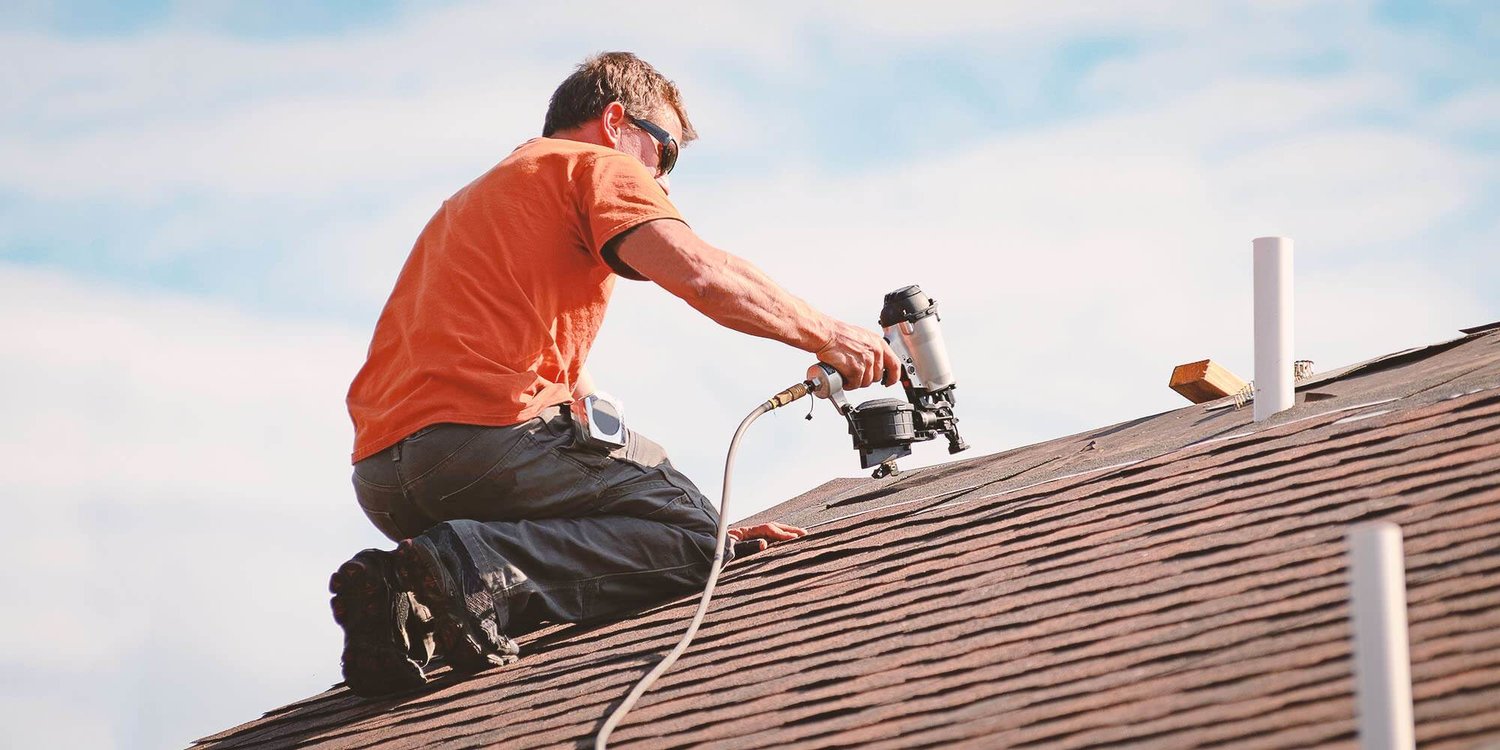
Assessing the Damage: What Should You Look For?
Inspecting Your Roofing system for Problems
The initial step in any do it yourself job is assessing the situation. Here's what to try to find:
Visible Damage: Cracks, missing shingles, or sagging areas. Interior Signs: Water discolorations on ceilings suggest leaks. Gutter Condition: Clogged up seamless gutters can result in water pooling on your roof.Using Tools Effectively
A few standard tools can go a long way in helping you identify and fix problems:
- Utility knife Hammer Pry bar Safety harness
Roof Replacement vs. Roof Repair Works: Which Is Right for You?
When To Fix Your Roof
Sometimes all your roofing requires is a little TLC. Here are signs that repair work may be sufficient:
- Minor leaks A few missing shingles Cosmetic issues
When To Replace Your Roof
If the damage is extensive or if your roofing system has actually reached its lifespan (usually 20-- 30 years), a replacement might be necessary.
Different Types of Roofing Products: What Functions Best for You?
Asphalt Shingles: The Traditional Choice
One of the most typical products due to affordability and ease of installation.
Metal Roofing: A Resilient Alternative
Metal roof has gained appeal for its durability and energy efficiency.
Tile and Slate: Sophistication Satisfies Durability
These products provide aesthetic appeal however come at a greater cost and intricacy in installation.
The Cost Element: Budgeting for Roof Repair Works or Replacement
Estimating Expenses for DIY Repairs
While doing it yourself can conserve money, it's essential to budget plan properly:
Materials (shingles, sealants) Tools (if not already owned) Safety equipmentUnderstanding Professional Costs
Hiring roofer brings know-how but likewise includes costs:
|Service|Estimated Cost|| ---------------------|------------------|| Minor Repair works|$150 - $500|| Significant Repairs|$500 - $1,500|| Full Replacement|$5,000 - $15,000|
Step-by-Step Guide for Basic Roofing Repairs
Gathering Materials and Tools
To ensure smooth cruising throughout repair work:
Purchase needed materials. Gather tools. Review safety guidelines.Preparing the Work Area
Before starting:
Clear particles from your roof. Set up ladders securely. Make sure you have plenty of daylight.Executing Standard Repairs
Follow these steps for simple fixes:
Remove damaged shingles using a pry bar. Apply roof cement. Place brand-new shingles carefully. Seal edges adequately.Common Errors House owners Make When Fixing Their Own Roofs
It's simple to get swept up in do it yourself enthusiasm and make oversights that might cost more down the line:
Ignoring Security Protocols Skipping Material Quality Checks Underestimating Time RequiredWhen To Hire The Pros
Even useful homeowners require assistance in some cases! Consider calling roofing contractors if:
You're handling significant structural damage. 2. Water leakages persist despite repairs. 3. You just do not have time or resources for substantial work.DIY vs Specialist Solutions: Weighing Pros and Cons
Here's a summary table breaking down do it yourself versus employing professionals: |Aspect|DIY|Employing Experts|| ----------------------|-----------------------------------------|----------------------------------------|| Cost|Lower|Greater|| Know-how|Minimal|Extensive|| Time|Variable|Usually quicker|| Threat|High if unskilled|Handled by professionals|
Legal Considerations: Do You Need Permits?
Before launching into repair work or replacements, inspect regional policies concerning licenses: 1. Limitations vary by area-- some places require authorizations even for minor repair work. 2. Failure to get required authorizations might lead to fines or issues when offering your home later on!
How To Maintain Your Roofing System After Repairs
Once you've finished repairs-- or had them done professionally-- ongoing maintenance will extend its lifespan:
- Regular cleaning (eliminating leaves/debris) Inspecting after storms Keeping an eye on gutters
How Seasonal Modifications Effect Your Roofing Needs
Changes in seasons can impact how typically you'll need repair work done:
- Winter weather condition brings ice damming dangers Spring storms might expose vulnerabilities Summer heat can dry out sealants
Frequently Asked Concerns About Do It Yourself Roofing Projects
Here are some concerns frequently asked by useful homeowners looking into roofing jobs:
Q1: How do I understand if my roofing system requires replacing?
A: Indications include age over twenty years, significant leakages, or noticeable sagging.
Q2: Can I mix different kinds of shingles on my roof?
A: It's normally not suggested as this might cause irregular wear.
Q3: What must I do if I find mold under my shingles?
A: Speak with professionals immediately; this indicates larger concerns like wetness retention.
Q4: The length of time does a normal roof repair work take?
A: Basic fixes may take simply hours while full replacements can extend over several days depending on conditions.
Q5: What's the average lifespan of metal roofing compared to asphalt shingles?
A: Metal roofing systems can last upwards of 50 years while asphalt normally lasts about 20-- 30 years.

Q6: Is insurance coverage most likely to cover my do it yourself repair work if something goes wrong?
A: Most policies prefer licensed contractors; always examine specifics before engaging in major jobs yourself!
Conclusion
In summary, tackling your own roofing system repairs isn't almost saving money; it offers important abilities every homeowner should have up their sleeve! However-- constantly weigh dangers against potential advantages carefully before climbing those rungs!
Whether you're http://sethfxmg641.image-perth.org/how-to-prepare-your-home-for-a-roofing-system-replacement-job fixing minor concerns yourself or opting for professional support down the road-- understanding is power! By following this extensive guide entitled Can I Repair My Own Roofing system? A Guide for the Useful Homeowner! you'll be fully equipped whether you select hammer over hire!
So roll up those sleeves and get going-- however keep in mind there's no shame in calling professionals when required! Happy repairing!